
Better outcomes start with better inputs.
A curated list of smart reads on how people think, work, and build. For founders, deep thinkers, and quietly curious doers.

Affiliate Note: We use affiliate links through Bookshop.org, which means if you grab a book from one of these links, we may earn a small commission, at no extra cost to you.
We chose Bookshop because it supports independent bookstores and keeps money out of Amazon’s overly convenient hands. It’s not perfect, but it’s better. And we like better.
Thanks for reading with intention. And for caring where your dollars go.

-
A foundational book on how your brain makes decisions: fast, intuitive ones (System 1) and slow, deliberate ones (System 2). It explains why we default to shortcuts, how cognitive bias shapes behavior, and what happens when logic takes a backseat to instinct.
-
It gives language to what a lot of us feel daily: overload, second-guessing, and “why did I just do that?” It’s dense, but it permanently changes how you think about thinking and that’s the point.

-
A book about the underrated skill of changing your mind. It breaks down why rethinking matters more than being right and how curiosity, flexibility, and a little self-awareness can improve your work, relationships, and everyday decision-making.
-
It gives you permission to pause, zoom out, and question what you thought you knew. It’s also a genuinely enjoyable read and we’re big fans of Adam Grant’s work. Partial to the audiobook for this one since he reads it himself.

-
The original breakdown of fixed vs. growth mindset and how the way you think about ability, effort, and failure shapes how you lead, learn, and navigate change. Research-heavy but readable, with takeaways that apply far beyond work.
-
It shows how mindset shows up in the small stuff, like how you handle feedback, try something unfamiliar, or move through things that didn’t go how you hoped. It’s a classic for a reason and the kind of book that quietly works on you long after you’ve read it.
-
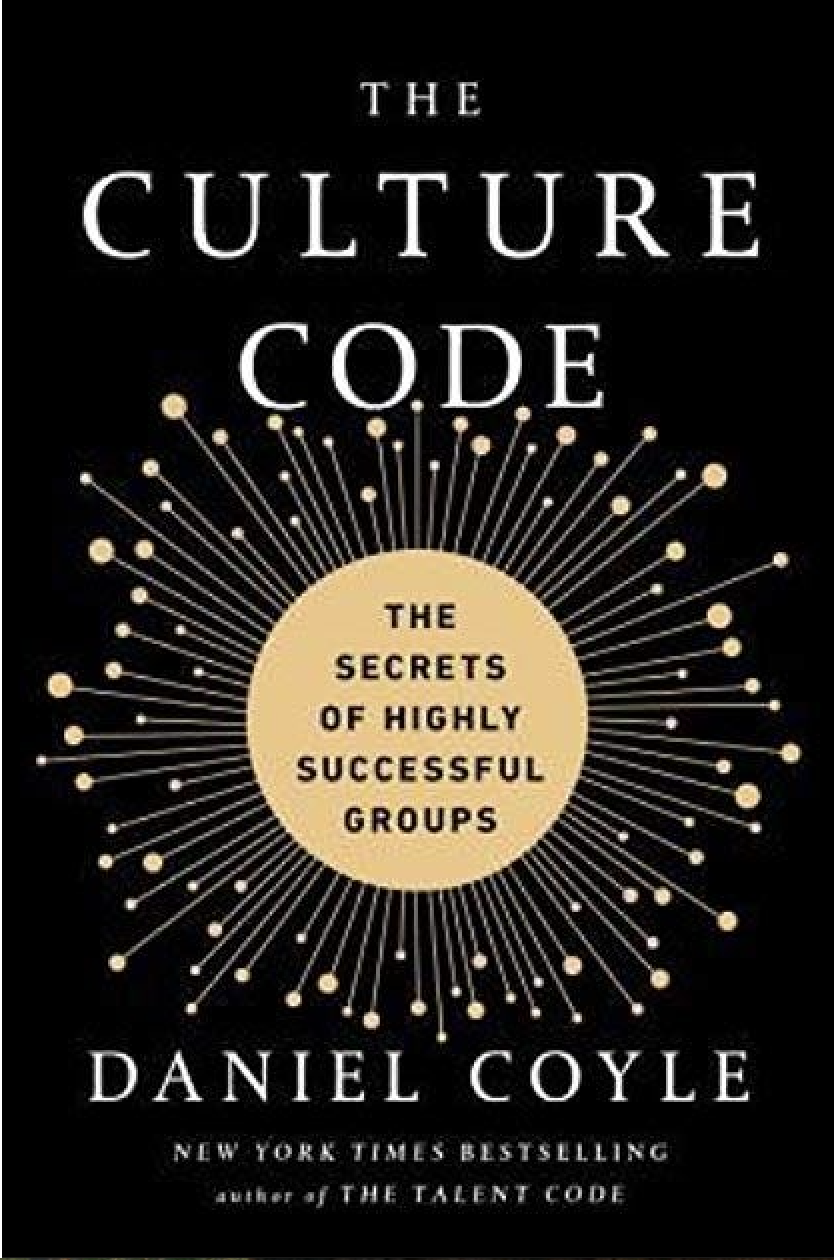
Coyle studies groups like Pixar and the SEALs and shows that strong cultures grow from very small habits. Things like how people listen, how they share information, and how open they are about mistakes become the backbone of a team that works well under pressure.
-
Most people know when a team feels right long before they can explain why. This book gives you the language for that feeling and shows the mechanics behind it. It makes you think differently about how groups form trust and how much that trust shapes performance.
-
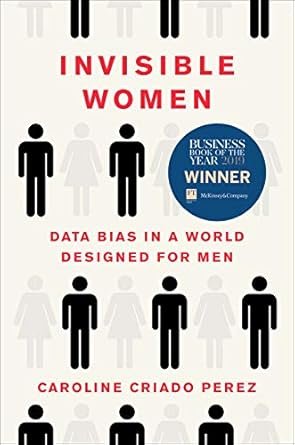
Perez assembles a global body of research to show how missing data about women shapes the world in ways most people never notice. From medication dosages to city planning to workplace safety, she reveals how decisions built on incomplete information create systems that work better for some people than others.
-
This book sharpens your attention. Once you see how missing information shapes real outcomes, you start noticing it everywhere. The book encourages better questions, better design choices, and stronger decision making because it makes you more aware of the assumptions hiding underneath everyday systems.
-
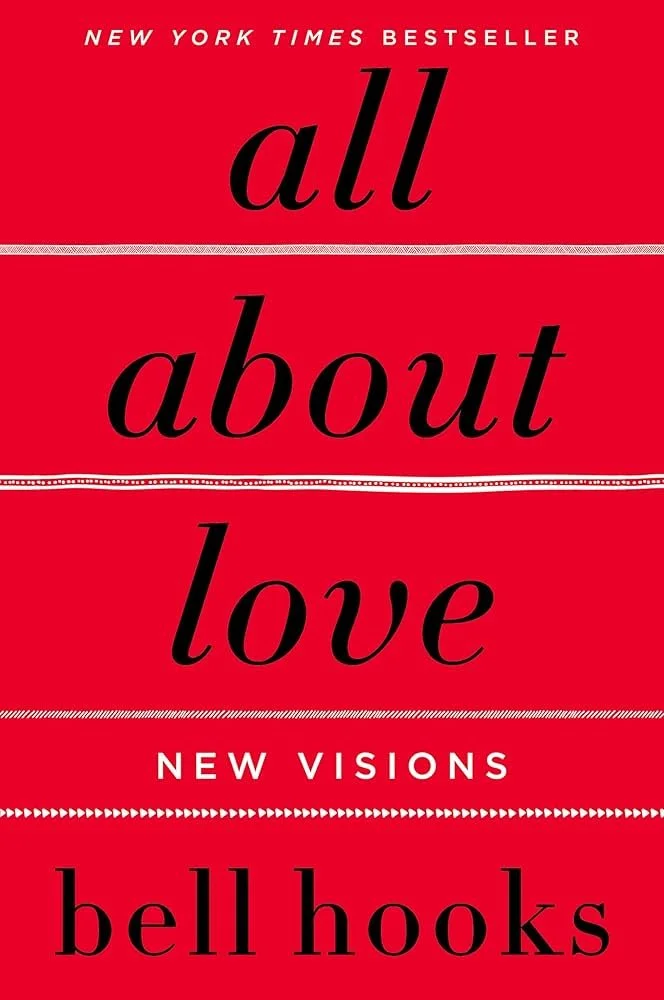
hooks offers a clear definition of love as something you practice. She describes love as a set of choices that involve care, honesty, responsibility, and respect. The book looks at how early experiences, family patterns, and cultural expectations shape the way people give and receive love.
-
A true “everyone needs to read this at least once,” the book gives you language for things you might feel but have never named. It invites a more grounded approach to relationships and helps you notice where old patterns are guiding your reactions. It is simple in tone but meaningful in how it encourages you to move through life practicing love as a verb, an action, a practice.
-
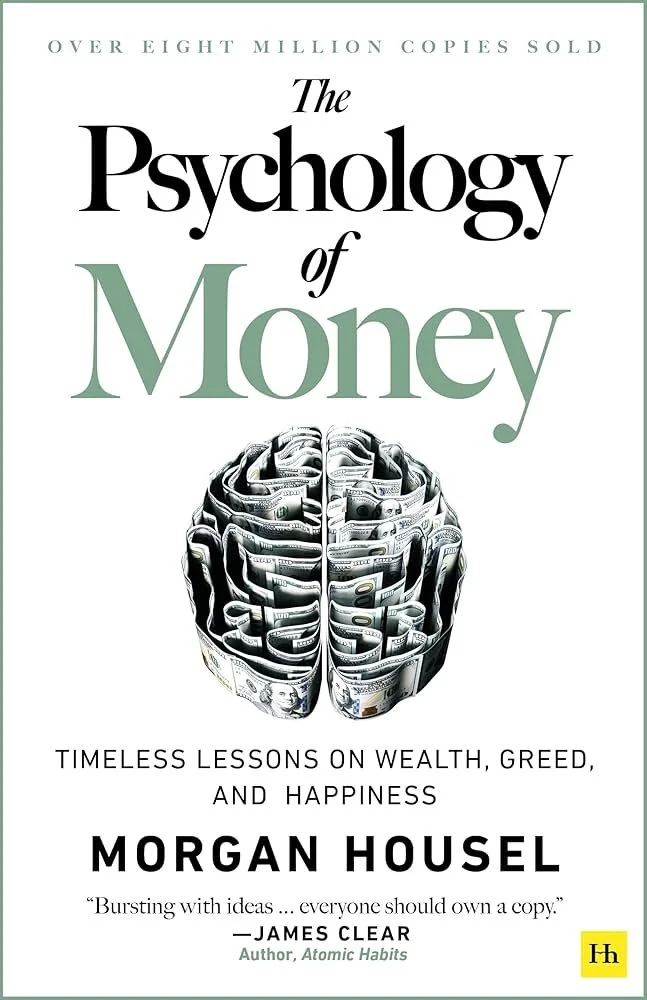
Housel explains money by focusing on behavior instead of math. He shows how your relationship with money is shaped by the era you grew up in, the risks you’ve lived through, and the stories you learned about saving and spending. Two people with the same financial situation can make completely different choices because their histories and expectations are different.
-
The book helps you see how much of your financial behavior comes from learned patterns rather than rational calculations. It gives you a better understanding of why you respond to money the way you do and encourages decisions that make sense for your actual life, not just the spreadsheet version of it.
We read a lot, but not every idea survives contact with real life
In Bookmarks, our newsletter, we show you which ones do.